Aug
Why Protein Matters When Taking Mounjaro or Zepbound
Mounjaro and Zepbound have changed the way many people approach weight management. Both contain the active ingredient tirzepatide, which acts on GIP and GLP-1 receptors. In the United States, Mounjaro is approved for improving blood glucose control in people with type 2 diabetes, while Zepbound is approved for long term weight management in eligible adults. Approved uses can differ between countries, so patients should always follow the advice of their prescribing healthcare professional.
These injections can reduce appetite and make it easier to eat smaller portions. However, eating considerably less can also make it more difficult to obtain enough protein, vitamins, minerals and other essential nutrients.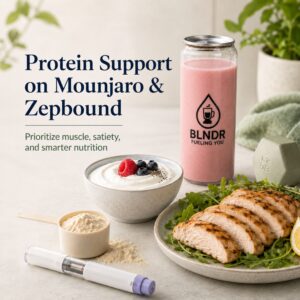
For this reason, successful weight loss should not focus only on the number shown on the scale. The quality of the weight being lost also matters.
Why can eating enough protein become difficult?
Tirzepatide can delay gastric emptying, reduce appetite and make people feel full sooner than they did previously. Nausea, vomiting, constipation, diarrhoea, abdominal discomfort and decreased appetite are among the commonly reported side effects of Mounjaro or Zepbound.
For some users, this means that a normal meal suddenly feels too large. Others may skip meals because they are not hungry or because certain foods have become less appealing.
Although eating fewer calories is part of the weight loss process, consistently eating too little can make it harder to meet nutritional requirements. This is particularly important when it comes to protein because the body needs a regular supply of amino acids to maintain and repair muscle tissue.
Protein should therefore become a nutritional priority, not an afterthought.
Weight loss can include lean mass as well as body fat
When a person loses a significant amount of weight, the weight lost is not necessarily all body fat. Some reduction in lean mass can also occur.
In a body composition substudy of the SURMOUNT-1 tirzepatide trial, approximately 75 percent of the weight reduction was attributed to fat mass and approximately 25 percent to lean mass. It is important to understand that lean mass measurements are not exactly the same as skeletal muscle measurements, but the results still demonstrate why preserving lean tissue deserves attention during substantial weight loss.
Muscle supports strength, balance, mobility and physical independence. It also helps people remain active and continue training while losing weight.
The goal should not simply be to become lighter. A better goal is to reduce excess body fat while maintaining as much strength, function and healthy lean tissue as reasonably possible.
How protein can support your weight loss journey
Protein provides amino acids that the body uses to maintain and repair muscle tissue. It can also make a relatively small meal more nutritionally valuable, which is helpful when appetite and portion sizes are reduced.
A joint clinical advisory from major nutrition, lifestyle medicine and obesity organisations recommends paying close attention to protein intake during GLP-1 based treatment. It also makes an important point: increasing protein alone is unlikely to be enough to protect muscle without structured resistance or strength training.
This means protein should form part of a broader muscle preservation plan that includes:
- Sufficient protein based on individual needs
- Regular resistance training
- Appropriate total calorie intake
- Adequate hydration
- Sufficient vitamins, minerals and fibre
- Regular monitoring by a qualified healthcare professional
Protein supports the process, but it is not a guarantee against muscle loss and it does not replace exercise.
How much protein should someone on Mounjaro consume?
There is no single protein target that is suitable for every Mounjaro or Zepbound user.
Protein requirements depend on several factors, including body size, age, physical activity, rate of weight loss, existing muscle mass and medical history. The general adult protein reference intake is commonly stated as 0.8 grams per kilogram of body weight per day. Higher amounts, such as approximately 1.2 to 1.6 grams per kilogram, have been proposed during active weight reduction, but these targets must be individualised.
Calculating protein from a person’s current body weight can also produce an unnecessarily high target for some people living with obesity. A dietitian may instead use an adjusted, reference or target body weight.
People with kidney disease, liver disease or other relevant medical conditions should not begin a high protein diet or use frequent protein supplements without speaking to their doctor or registered dietitian. The amount that is appropriate for one person may be unsuitable for another.
Choose protein first when your appetite is low
When you can only manage a small portion, begin with the most nutritionally important part of the meal.
For example, eat the eggs, yoghurt, chicken, fish, tofu or other protein source before filling up on bread, rice or low nutrient snacks. This does not mean eliminating carbohydrates. It simply means prioritising protein when your total food intake is limited.
Spreading protein across the day may also feel more manageable than trying to consume a very large amount at dinner. A person might include protein at breakfast, lunch and dinner, with one smaller high protein snack when necessary.
Useful options can include:
- Eggs or an omelette
- Greek yoghurt or cottage cheese
- Chicken, fish or lean meat
- Lentils, beans, tofu or tempeh
- Milk or a protein shake
- A small high protein snack
- A chilled protein rice pudding
Whole foods should remain the foundation of the diet. Convenient protein products can then help fill practical gaps on busy days or when preparing a complete meal feels difficult.
Are protein shakes suitable while taking Mounjaro?
A protein shake can be a convenient option for some Mounjaro or Zepbound users, particularly when appetite is low or solid food is difficult to finish.
However, it should not automatically be treated as a complete meal. Look at the full nutrition label, including protein, calories, added sugar, fat and serving size. Choose an option that fits the nutritional plan agreed with your healthcare professional.
It can also help to drink the shake slowly rather than consuming it quickly. Some people find that a large or rich drink makes nausea or fullness worse. Personal tolerance matters, especially after starting treatment or increasing the medication dose.
BLNDR protein shakes provide approximately 30 to 38 grams of protein, depending on the selected flavour. This can make them a practical option for people who need a convenient source of protein but do not feel ready for a large meal.
More than just protein shakes
Different days may require different formats. Some people prefer a drink after training, while others want something they can eat slowly.
The BLNDR range provides several ways to add protein:
Protein shakes: Approximately 30 to 38 grams of protein, depending on flavour. Suitable as a convenient drink when appetite or time is limited.
Protein rice pudding: Approximately 27 to 30 grams of protein, depending on flavour. A chilled, creamy option for people who prefer something more substantial than a drink.
Protein cookies: Approximately 9 to 10 grams of protein per cookie, depending on flavour. A smaller option for between meals, although it should not replace a balanced meal.
Always check the current product label because ingredients and nutritional values can vary between flavours.
Protein works best with resistance training
Strength training gives the body a reason to retain and use muscle. Protein supplies the building materials, while exercise provides the physical stimulus.
This does not mean everyone needs an advanced bodybuilding programme. Depending on ability and medical clearance, resistance training might include weight machines, dumbbells, resistance bands, bodyweight exercises or supervised personal training.
The most appropriate programme depends on the person’s current fitness, mobility, age and medical history. Someone who has been inactive or who is experiencing weakness should seek professional guidance before beginning.
The combination of sufficient nutrition and consistent resistance exercise is more responsible than relying on protein products alone. Current professional guidance specifically warns that additional protein without structured strength training may be inadequate for preserving muscle during GLP-1 based weight loss.
What should you do when nausea affects eating?
Do not force yourself to consume a large protein meal when you feel nauseous. Try smaller portions, eat slowly and monitor which foods are easier to tolerate.
A few bites of yoghurt, a small egg dish or a slowly consumed protein drink may be more manageable than a large plate. Very rich, greasy or oversized meals may be harder to tolerate for some users.
Hydration is also important. Persistent vomiting or diarrhoea can cause dehydration, and the prescribing information for tirzepatide warns about acute kidney injury associated with volume depletion. Severe or persistent gastrointestinal symptoms should be discussed promptly with the prescribing healthcare professional.
Make every smaller meal count
Mounjaro and Zepbound can help eligible patients manage their health and body weight, but medication does not remove the need for good nutrition.
When appetite decreases, every meal has more work to do. Prioritising protein, vegetables, fruit, fibre, healthy fats and adequate hydration can help make smaller portions more nutritionally complete.
Protein is particularly valuable because it supports the maintenance and repair of lean tissue. However, the strongest approach combines protein with resistance training, balanced nutrition and professional medical supervision.
BLNDR makes this process more convenient with freshly prepared protein shakes, protein rice pudding and protein snacks in Dubai. They are designed to help you add protein without relying on oversized meals or complicated preparation.
Explore the BLNDR high protein range and find an option that fits comfortably into your daily nutrition plan.
Medical disclaimer
This article is provided for general educational and marketing purposes and is not medical or nutritional advice. BLNDR products do not treat, prevent or reduce the side effects of Mounjaro, Zepbound or any other medication. Individual protein and calorie requirements vary. Speak with your doctor or registered dietitian before making significant dietary changes, particularly if you have kidney disease, liver disease, diabetes, digestive problems or another medical condition. BLNDR is not affiliated with the manufacturer of Mounjaro or Zepbound.
